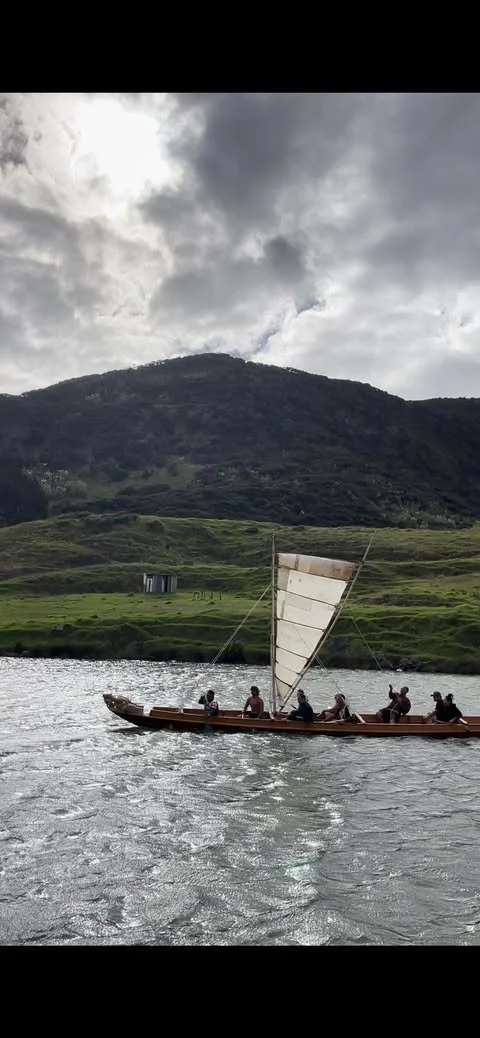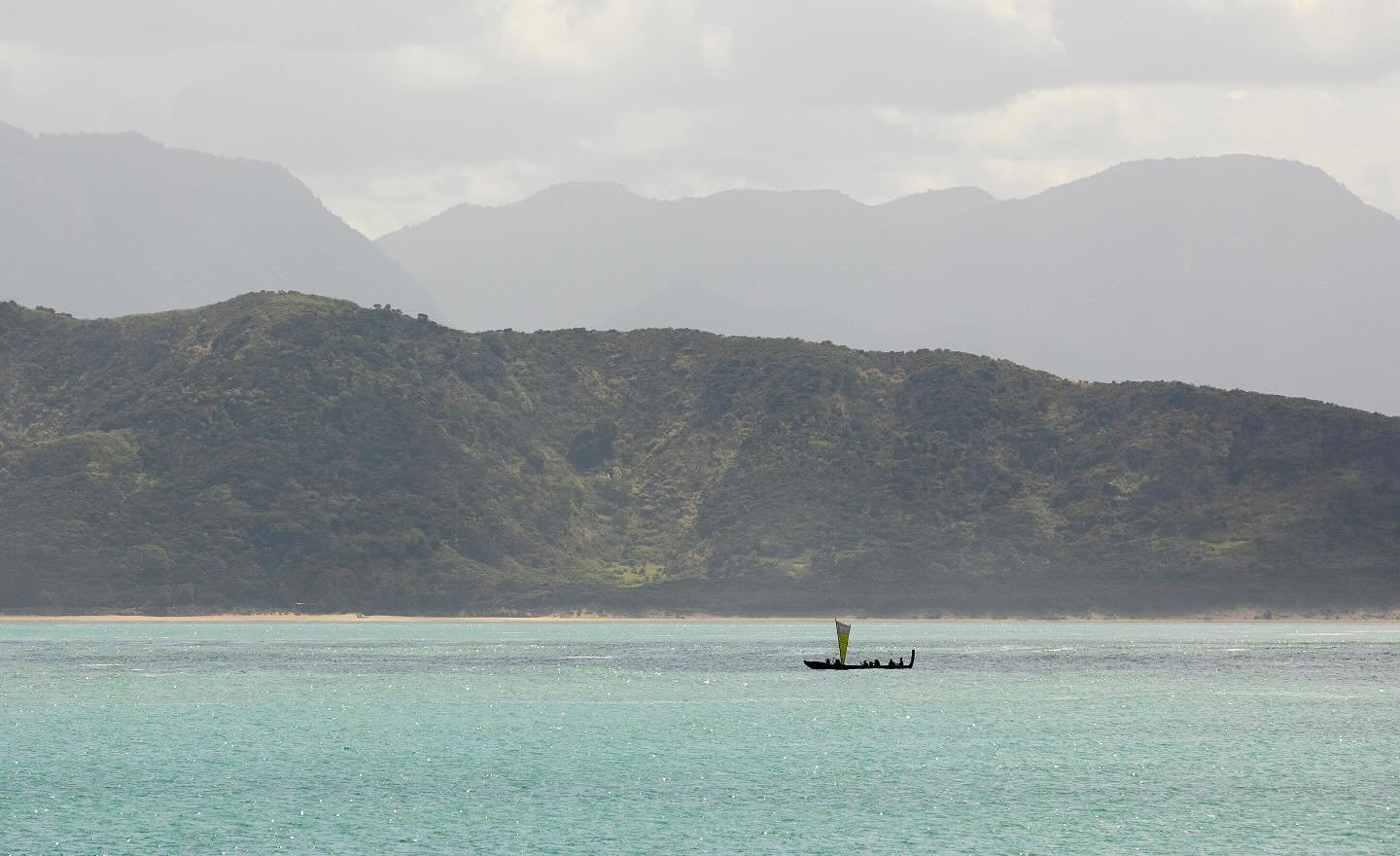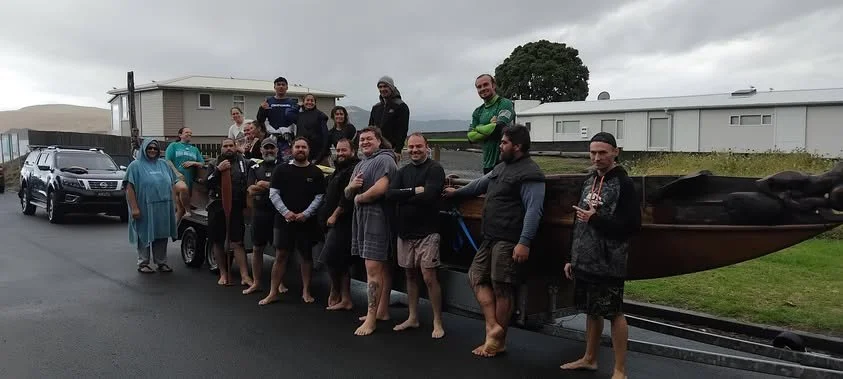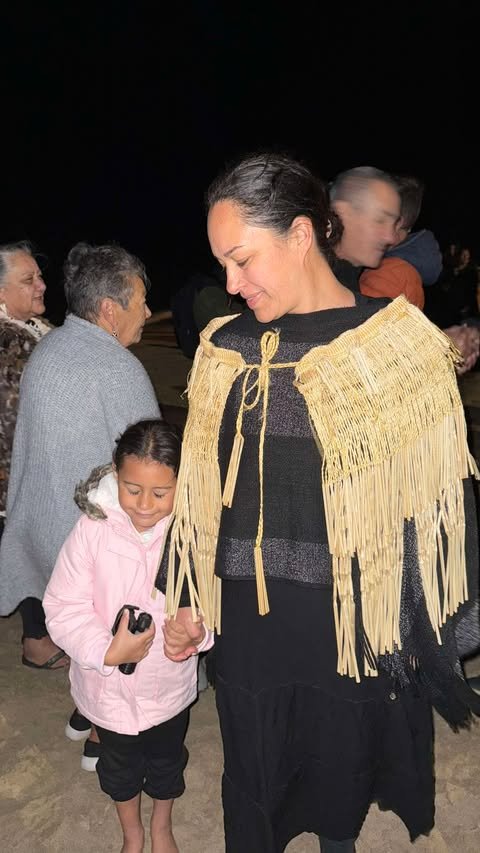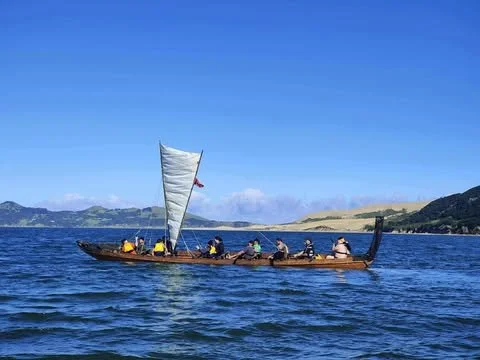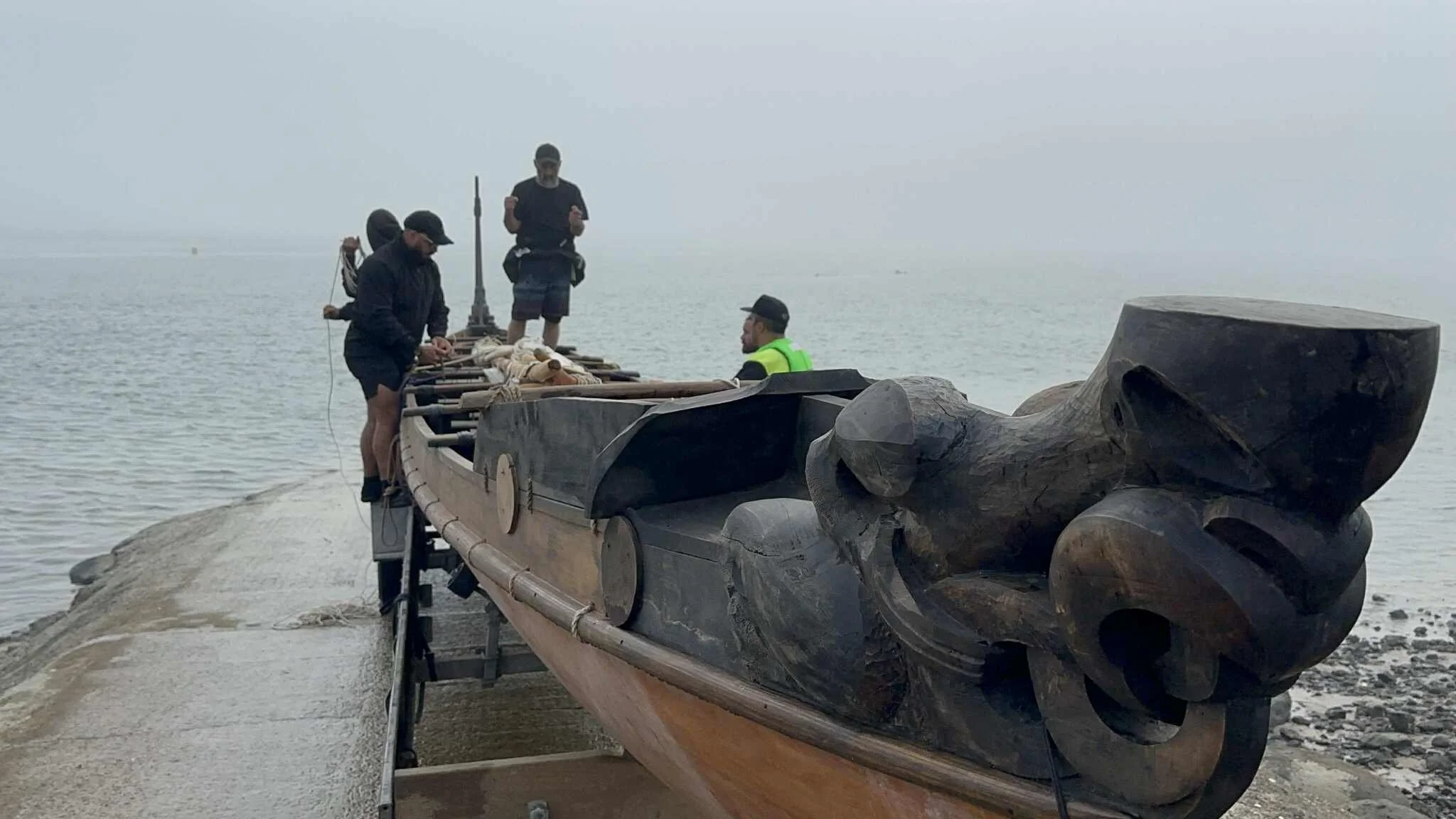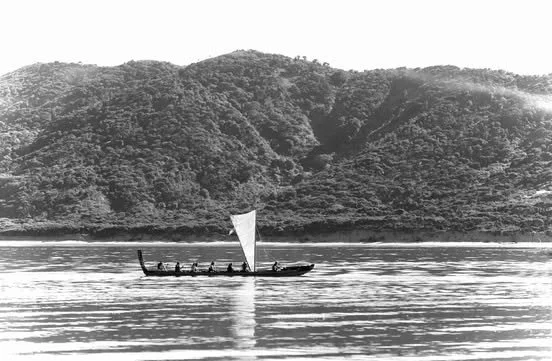
Matawhao
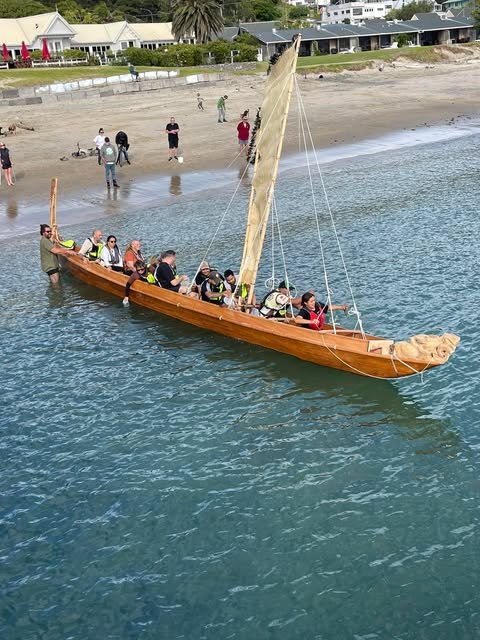
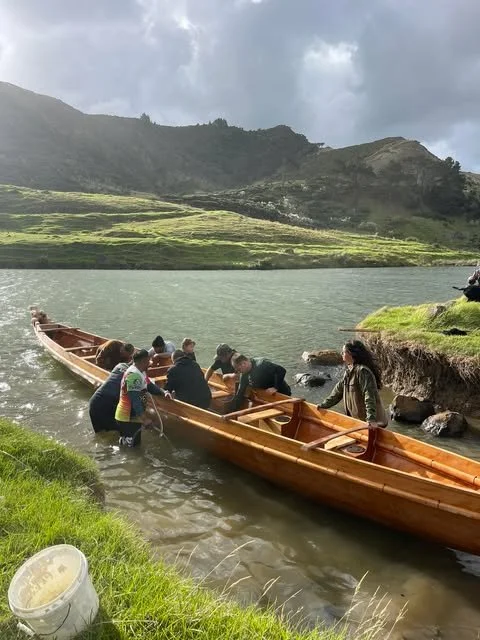
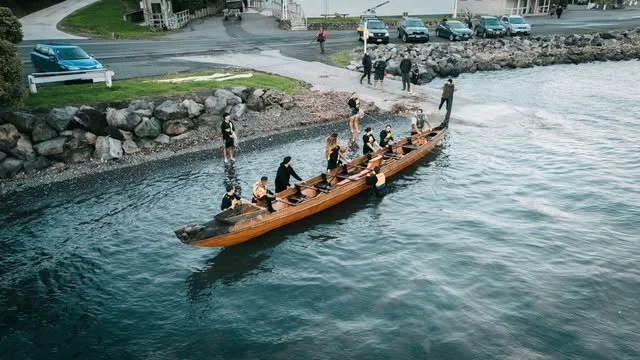
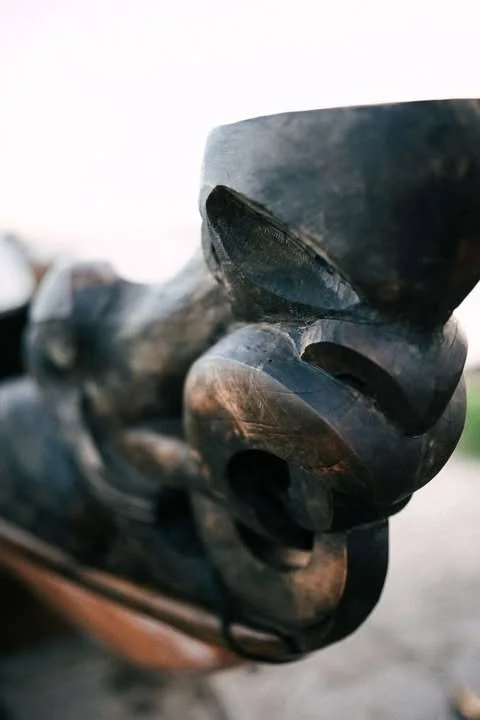
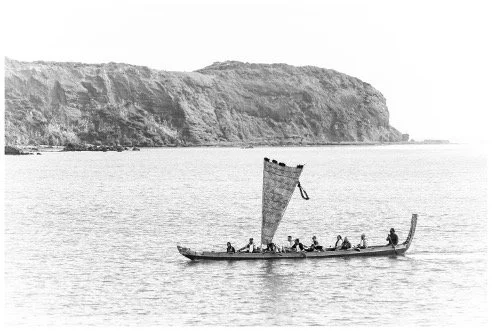
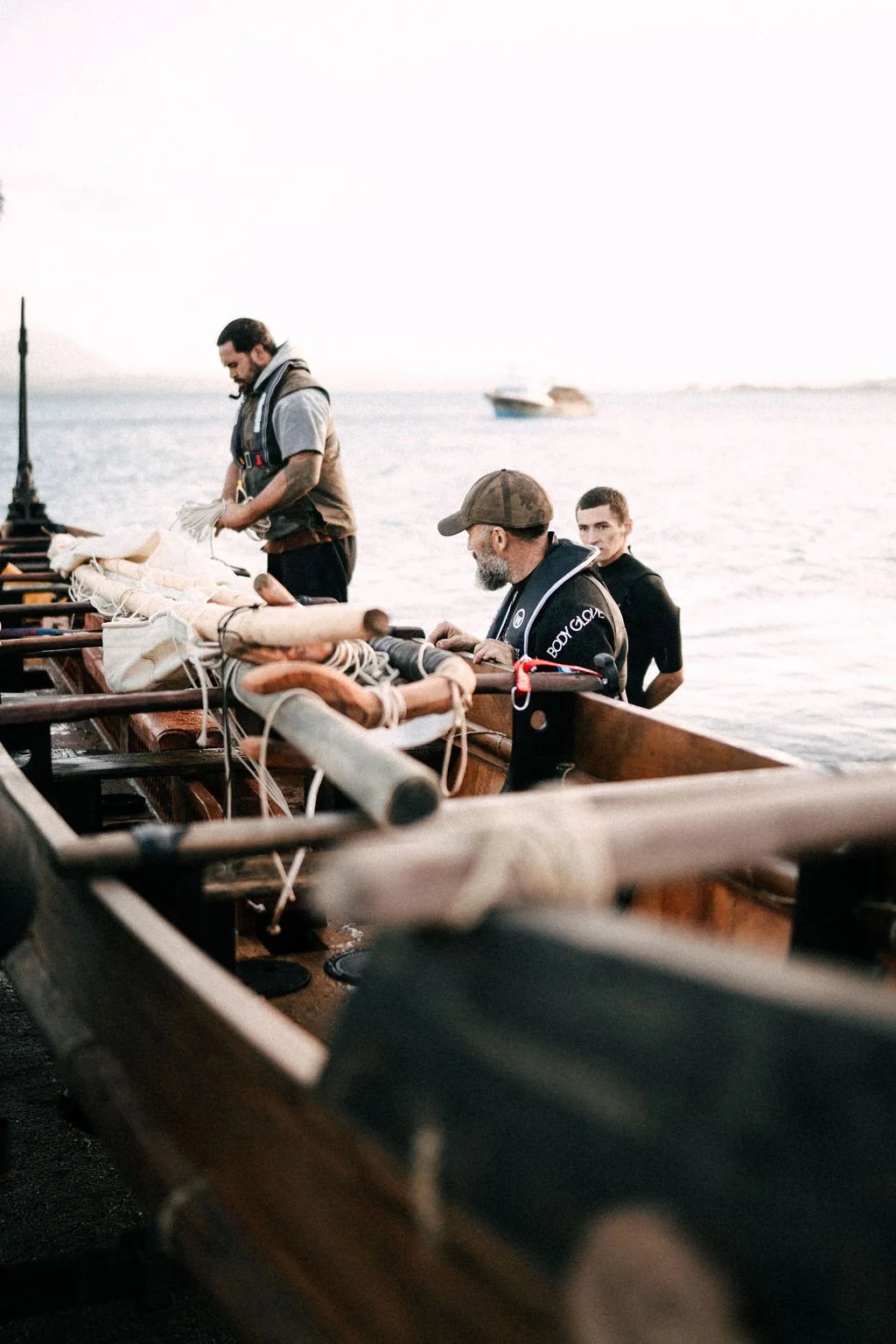
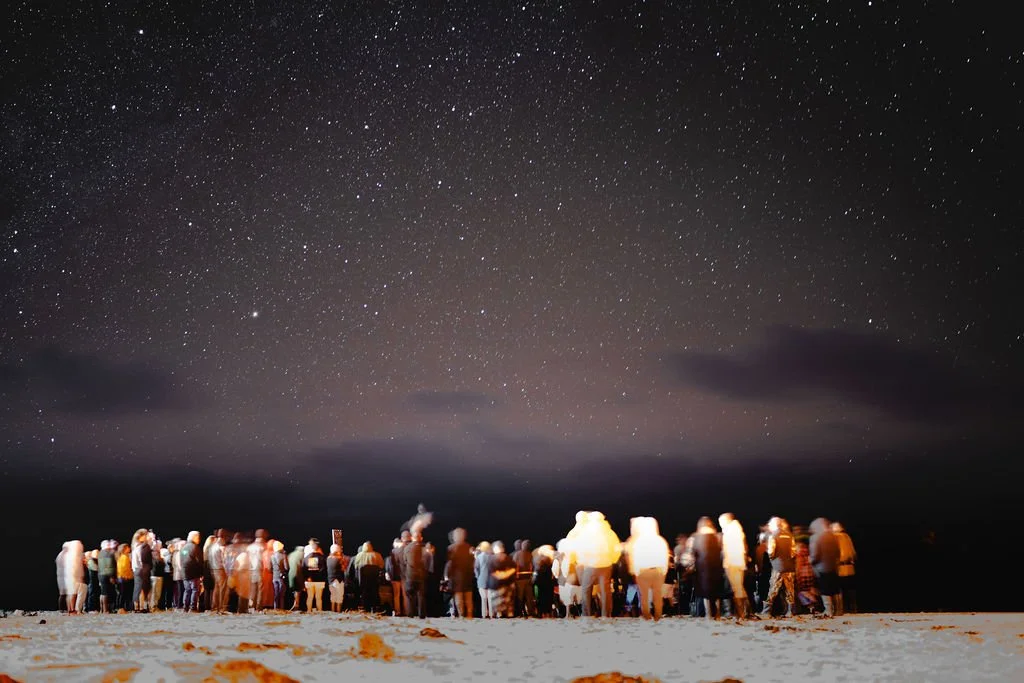
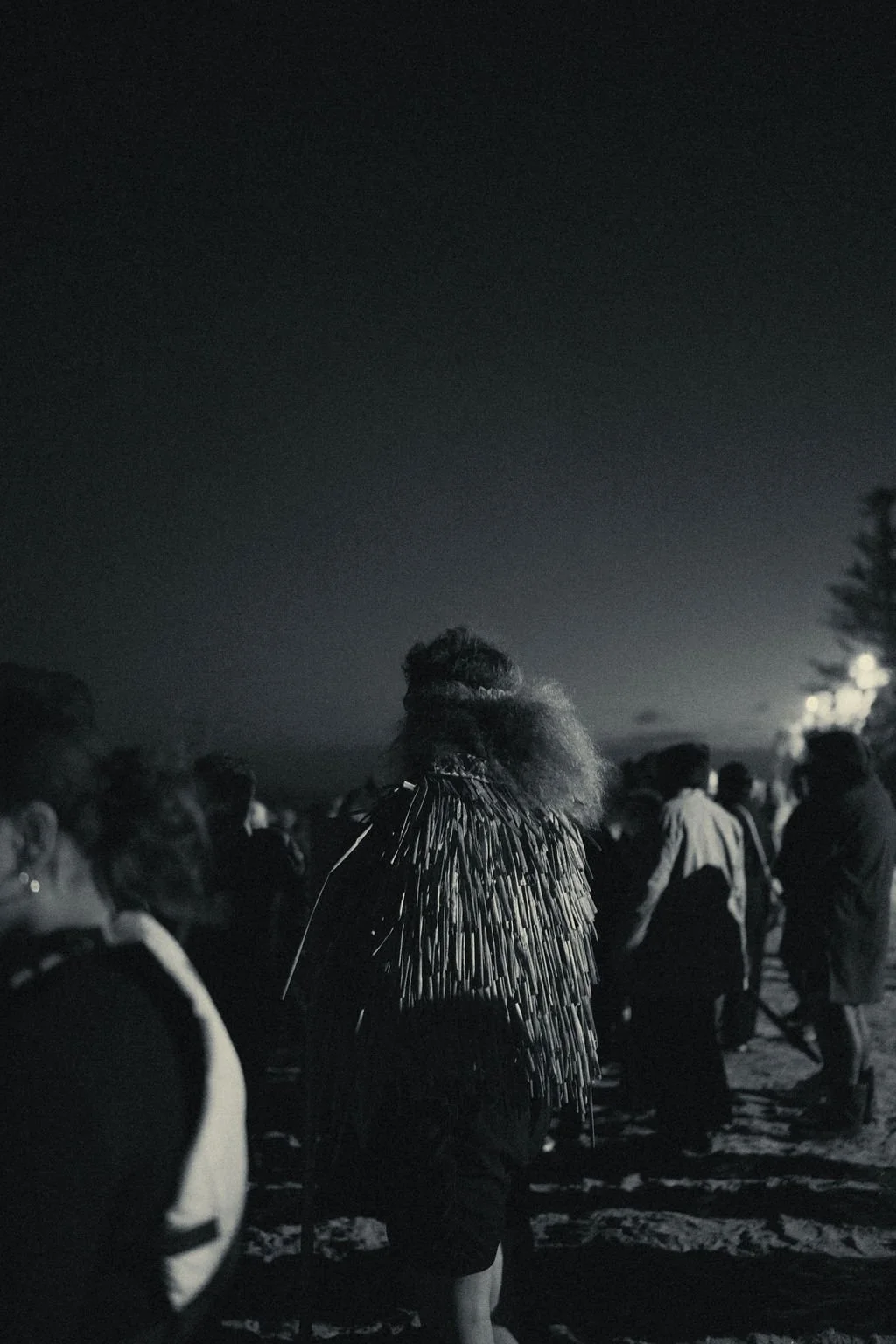
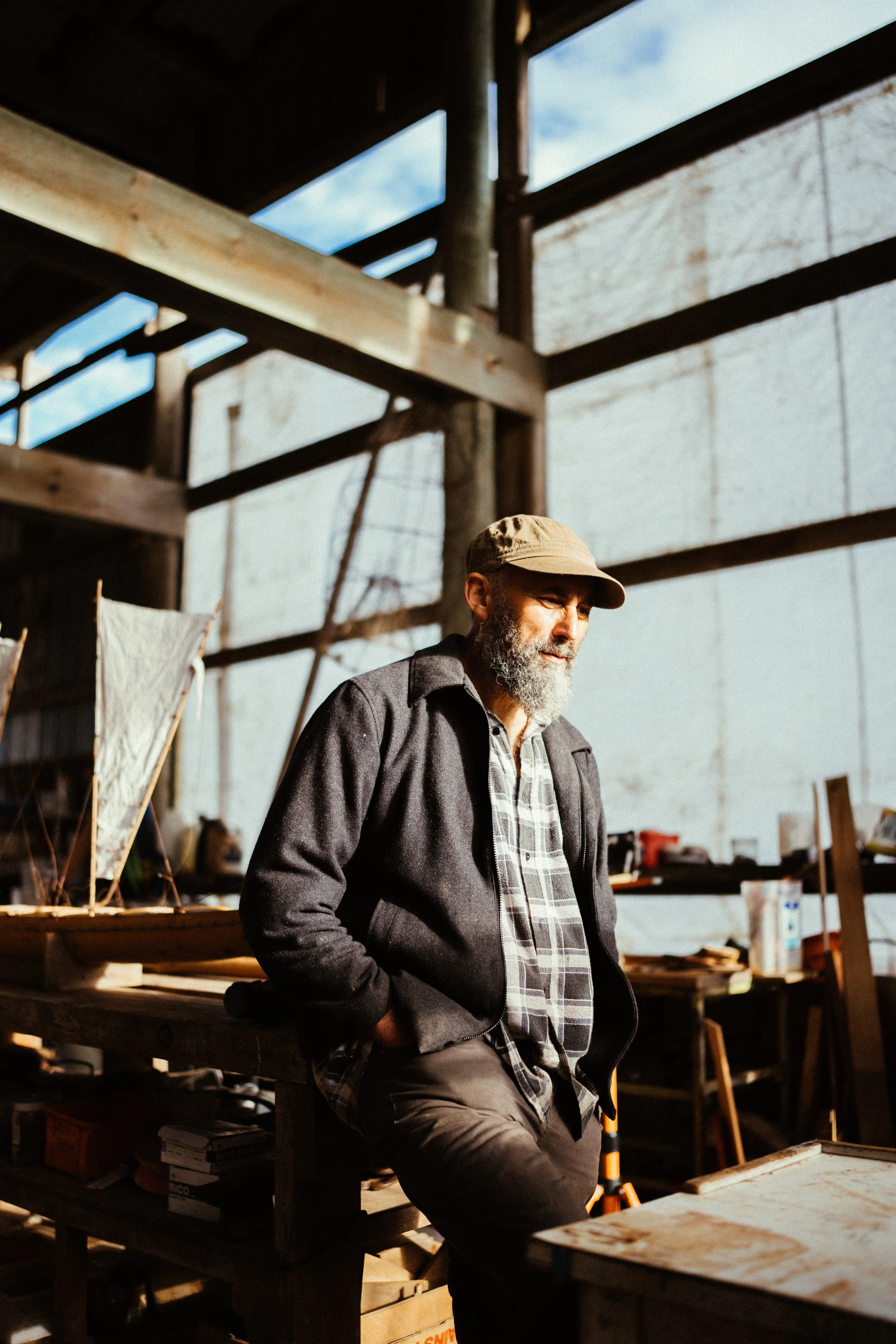
Image - Jos Wheeler
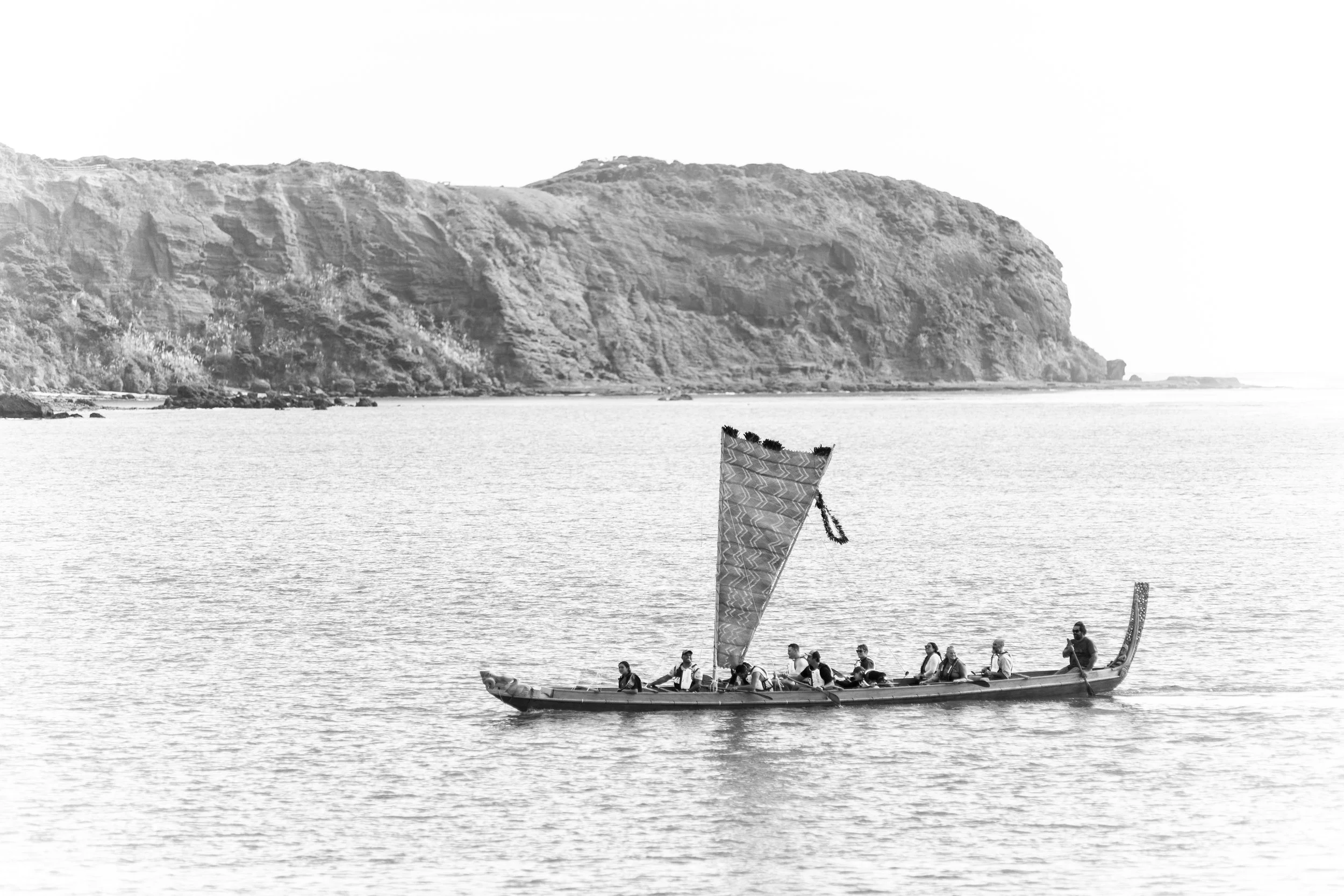
Matawhao - History- by Matua John Klaracich
•The interest in a Hokianga Waka began in early 1988, when Piri Iraia, Taurau Thompson and Bill Dunn visited Panguru to talk about the Natokimatawhaorua with Dame Whina Cooper, Pa Tate, Ted Blair and others. Dame Whina told them the Ngatokimatawhaorua at Waitangi should be brought back to Hokianga,
•On 14/12/88, John Beachman from the Department of Conservation came to talk about the Waitangi 1990 Celebrations Waka Project.
•Then at Kokohuia Marac, during the langi for Dan Hone, Mac Taylor stood and said Hokranga should apply for a log to build a waka and directed me to start the process of applying for a log. The elders present supported him.. No committee, no budget and those words directed to me, is the genesis of the Hokianga waka.
•On 10.7.089 I received a letter from Tom Paki from Ngati Whatua's saying they agreed
•Hec felled the trees, hauled both down to Pukepoto. Our log was cut at 12.5 metres,
•By this time, the elders who had raised the Hokianga waka project had all passed on.
•The log lay at Kokohuia for several years, then in the mid-nineties an effort to construct a waka began. As it had seasoned, a flaw caused by rolling sapwood in the log was exposed, that limited full use of the log for a traditional hollowed out hall. I looked around to see whether we could procure two short logs to extend the 12.5 m to become 20m, without success.
I called a hui at Waiwhatawhata from there we formed The Matariki Waka Trust.
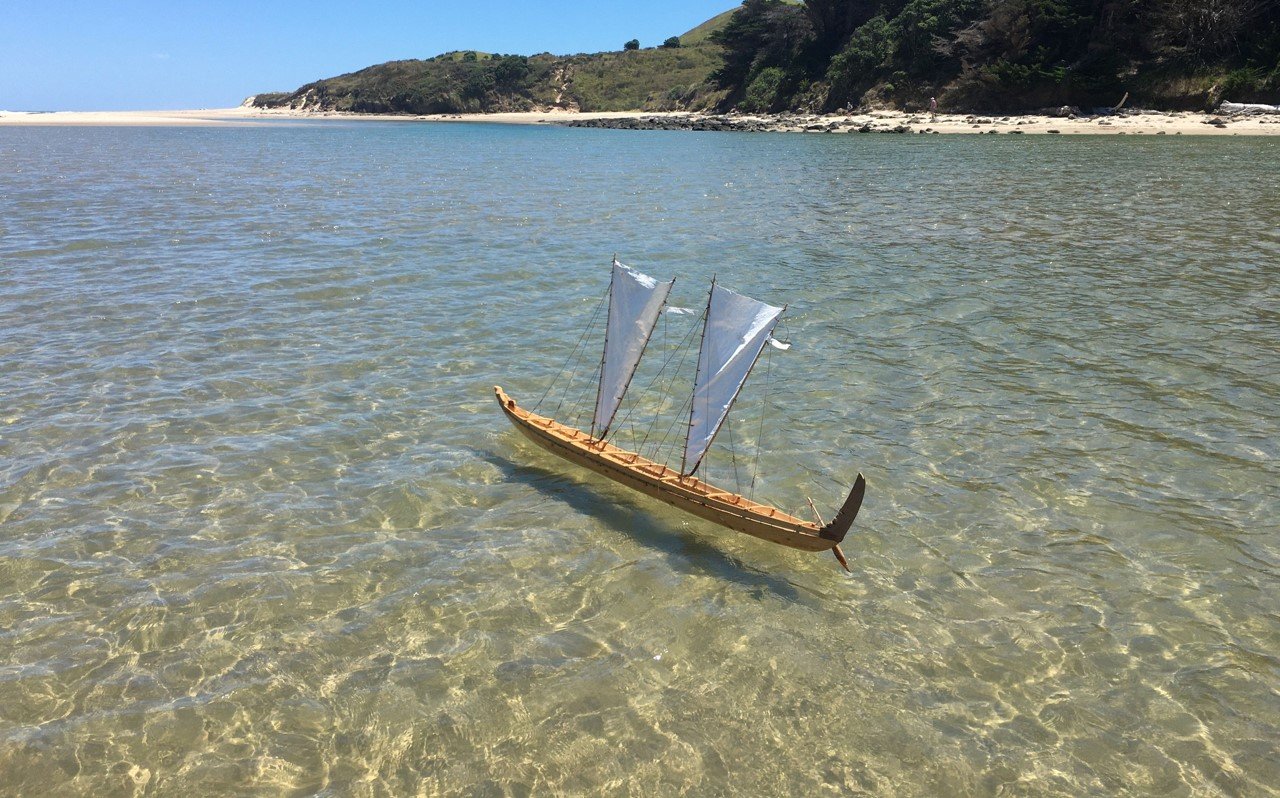
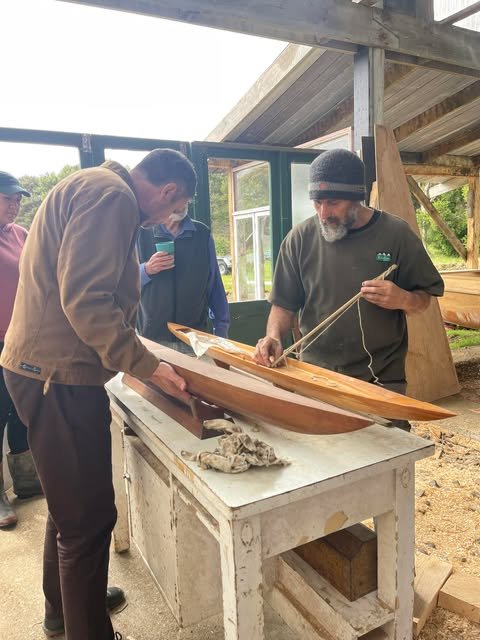
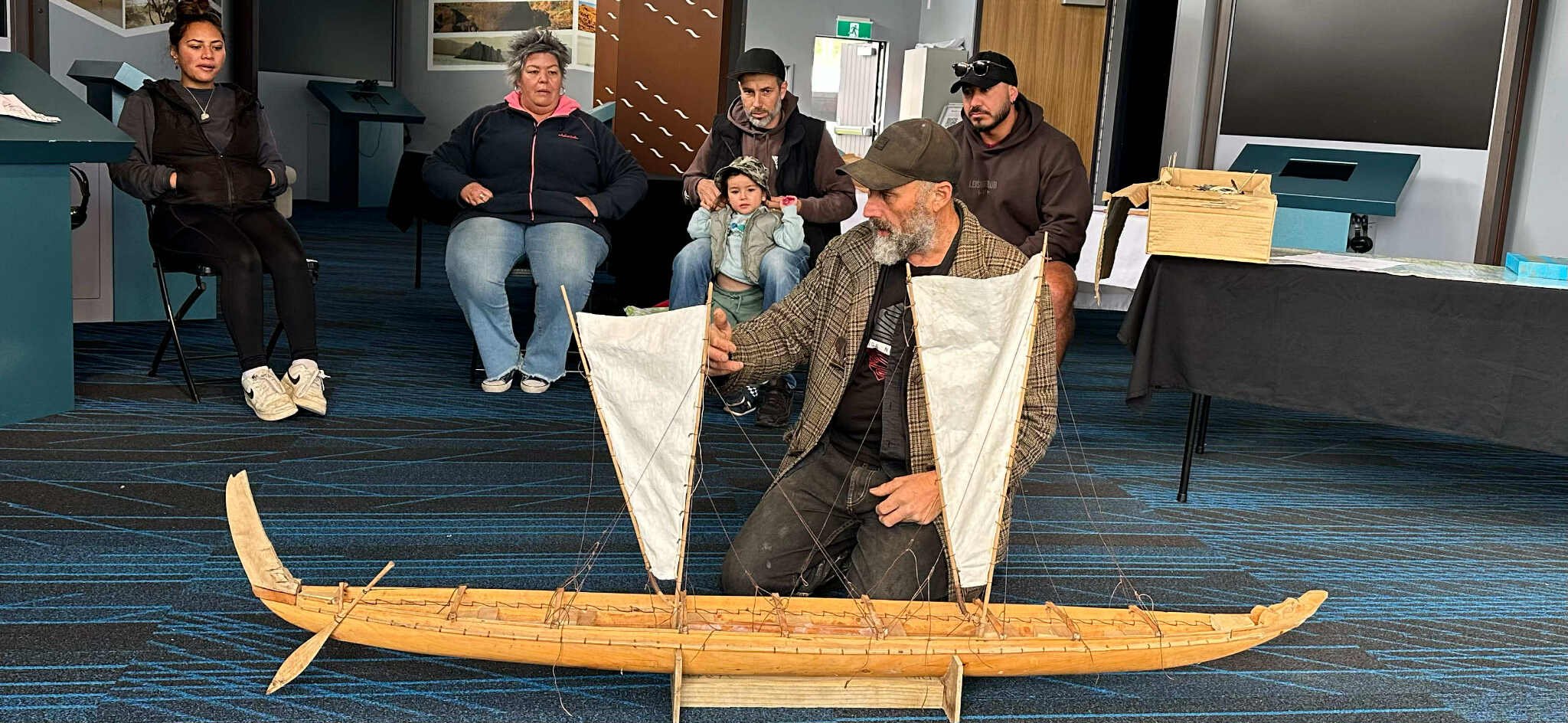
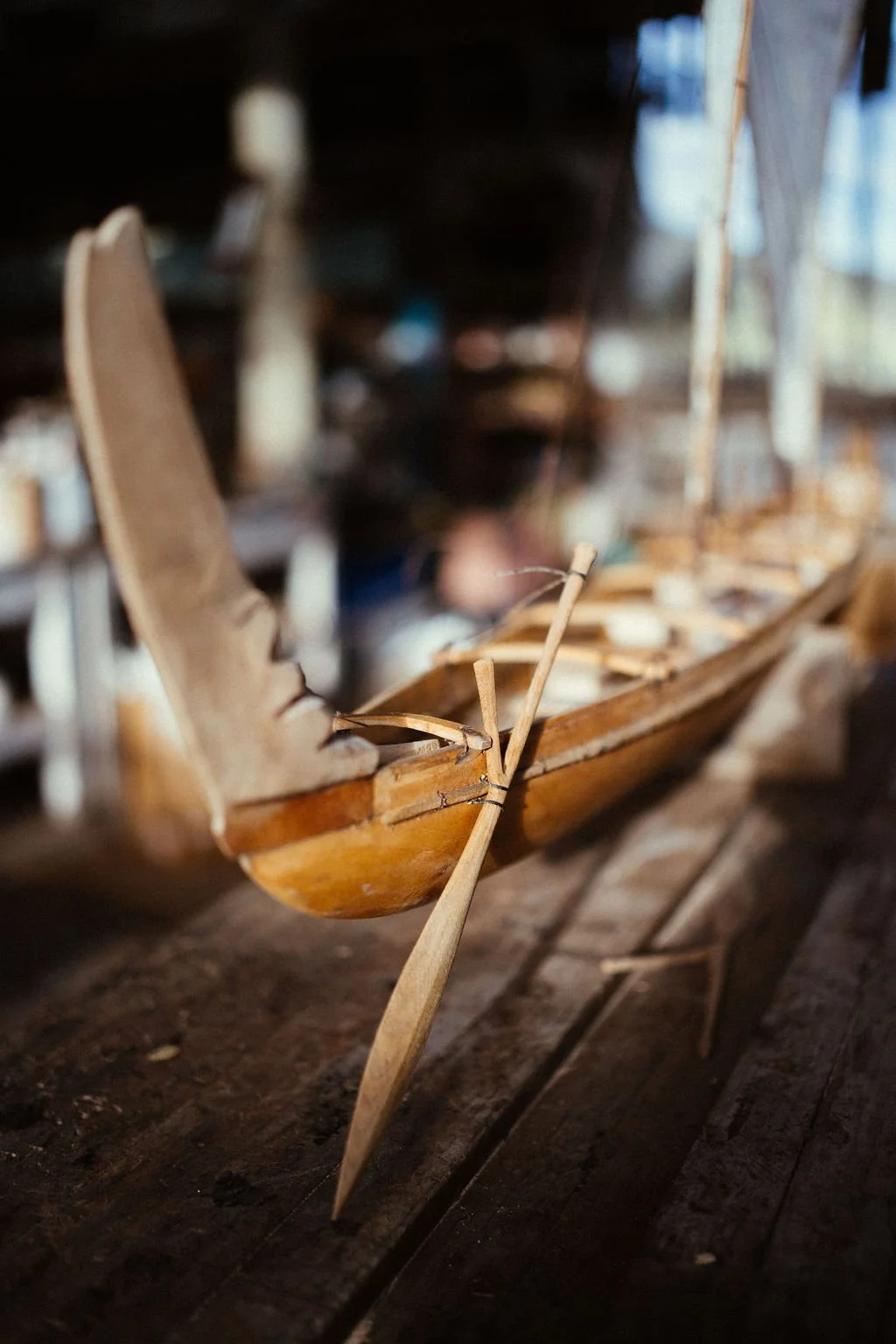
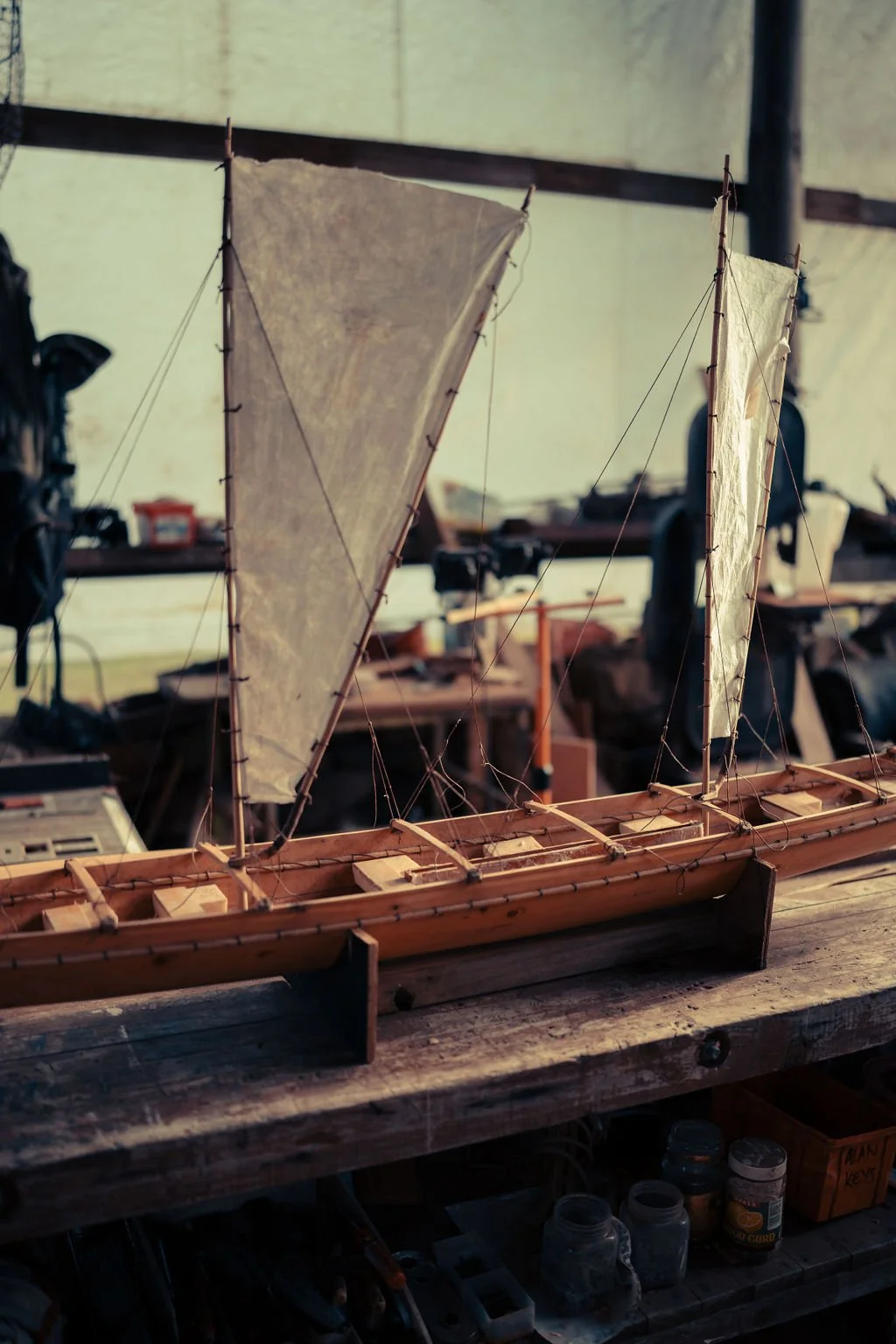
•I had discussed the possibility of this option with Mr. Ted Leeds, an experienced yacht designer, builder, also the marine surveyor for the Bay of Islands. Using the waka Teremoe, an old waka from Wanganui kept in the Wellington Museum as his model. He prepared a model and drawings for us.
•Max Lloyd. Harry Irwin were members of our Trust. They secured some funding from Lion Breweries and pub charity.
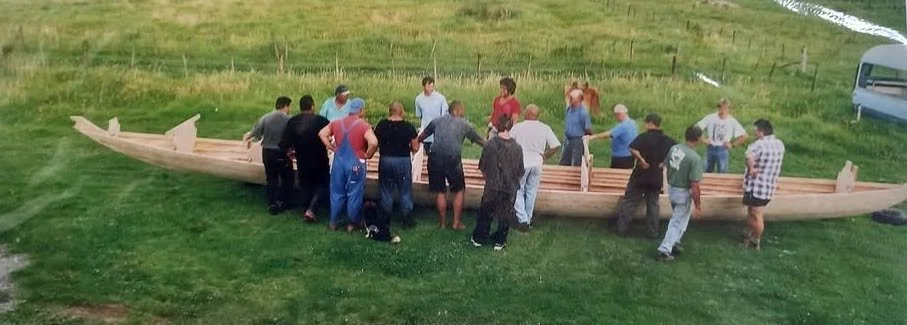
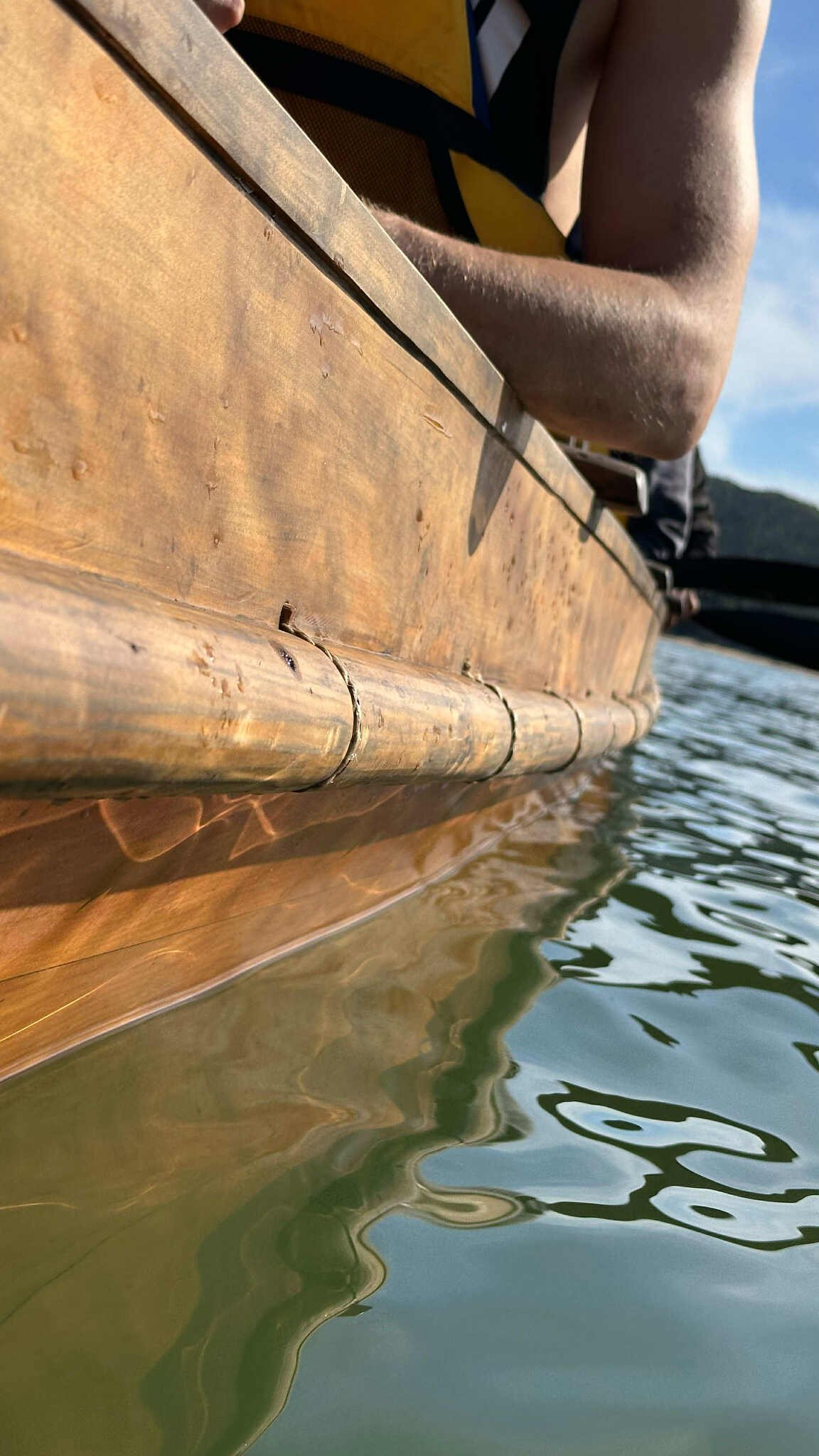
•Barbara Ward and Ivan Harnett came with their machinery, first they cleaned off the rotten sapwood, then they flaked off' a full length section for the traditional parts of the waka. The remainder was cut in two pre-determined lengths.
•Barbara and Ivan took the logs to Kaihu Valley sawmill to be broken down into cutting schedule Ted had prepared. They waited while the logs were cut, then brought the timber back the same day.
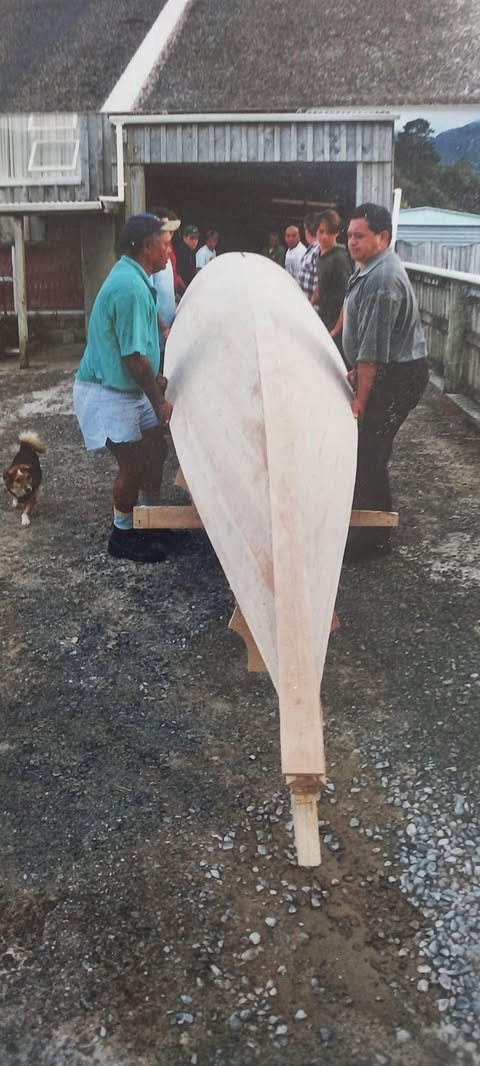
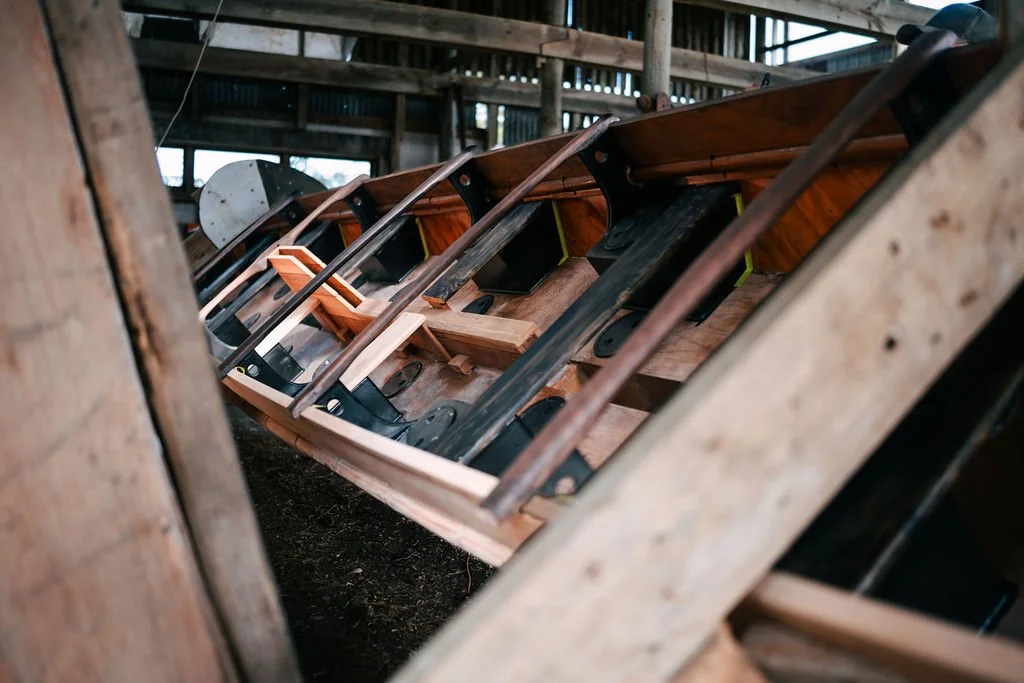
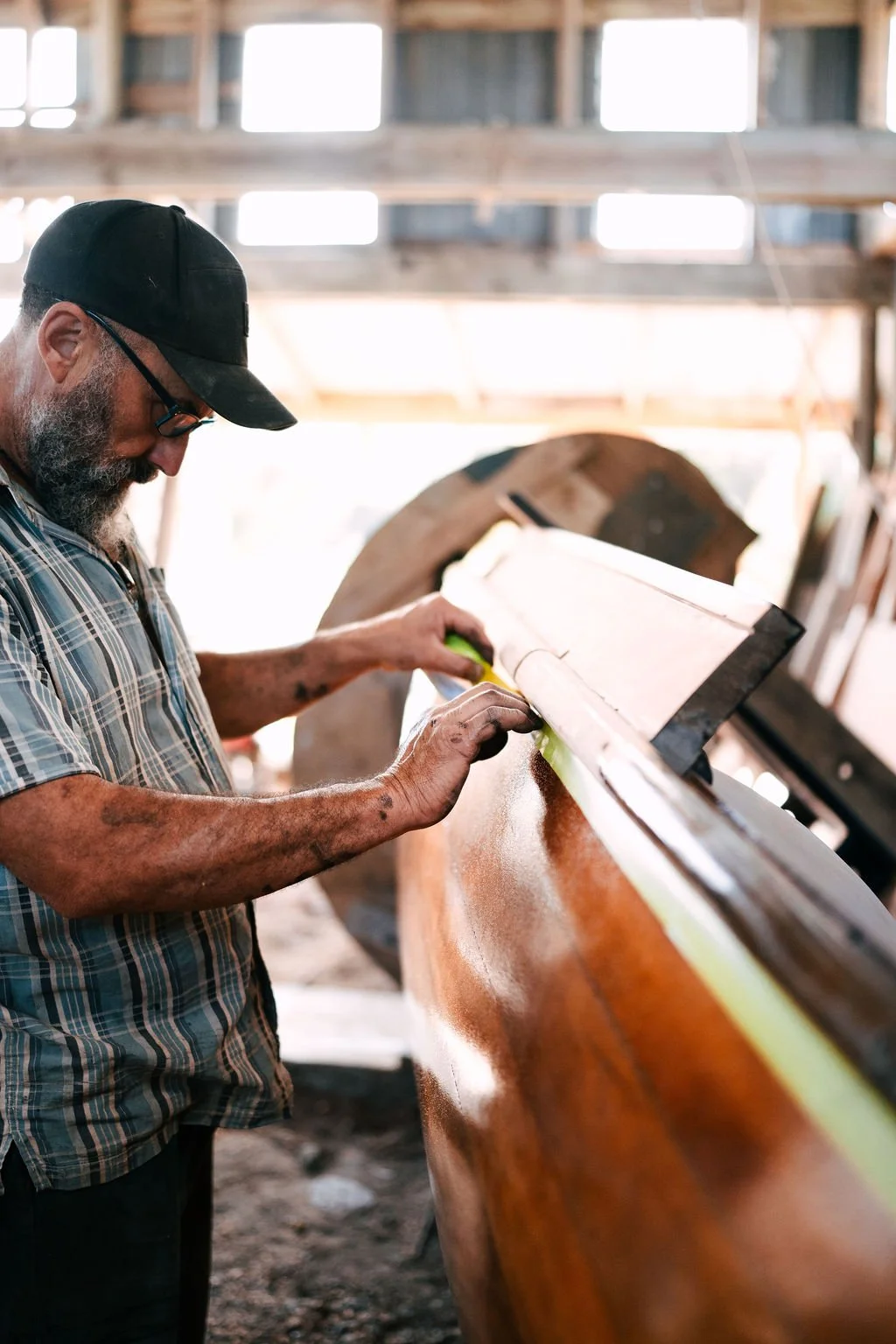
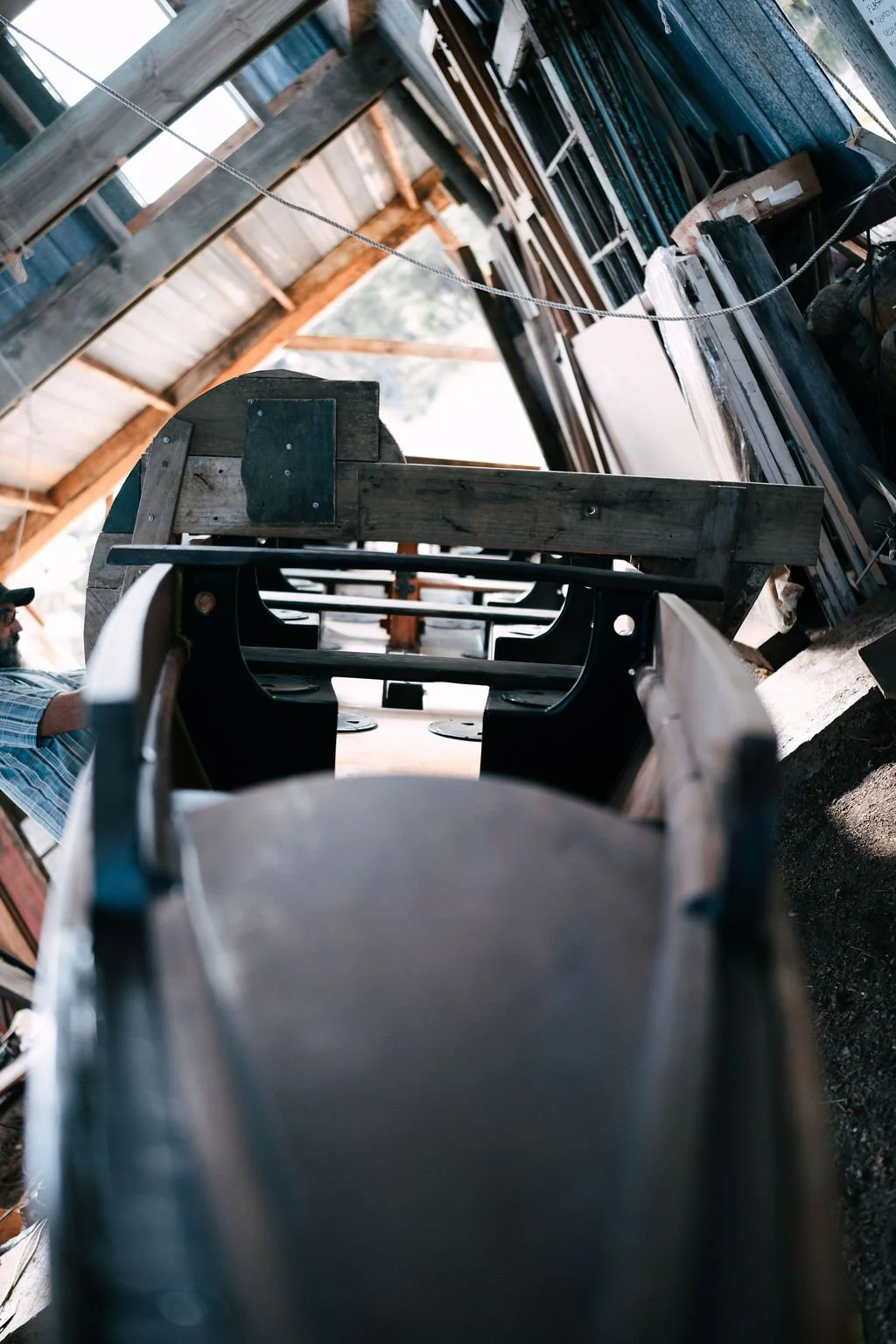
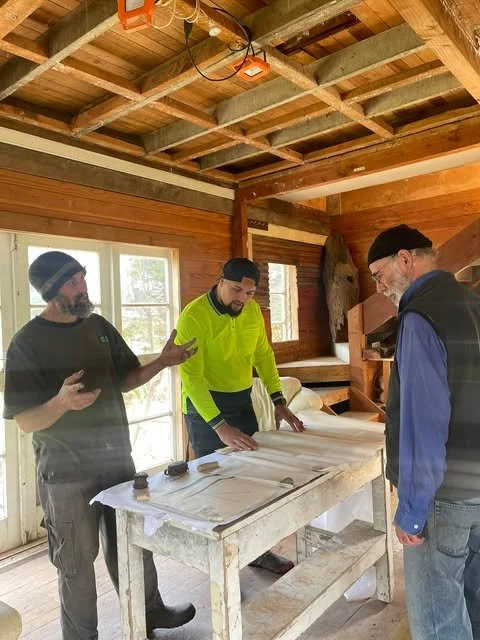
•Kathy Clarke developed a CEG programme. Stephen Nara and Joe Te Paa under Ted Leeds tuition set up and began building. They progressed the hull to the first skin stage, the construction halted at that point. Lance Bryers then approached us. ile had prepared a formal plan to complete the hull. The Trust met and accepted his proposition.
•Waka moved to the cowshed Waiwhatawhata
•John Pattinson rebuild Dargiville,
•Pakanae farm shed
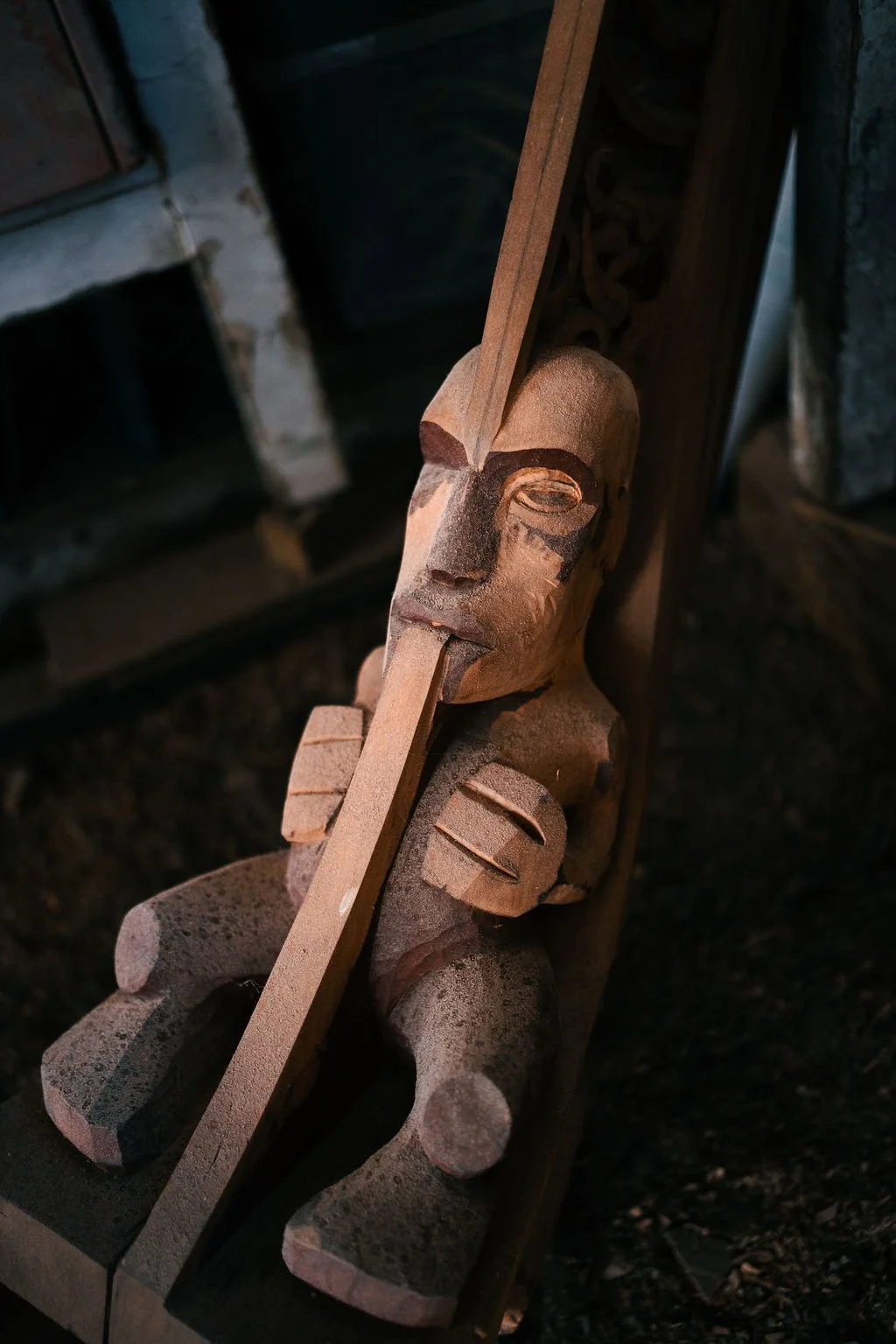
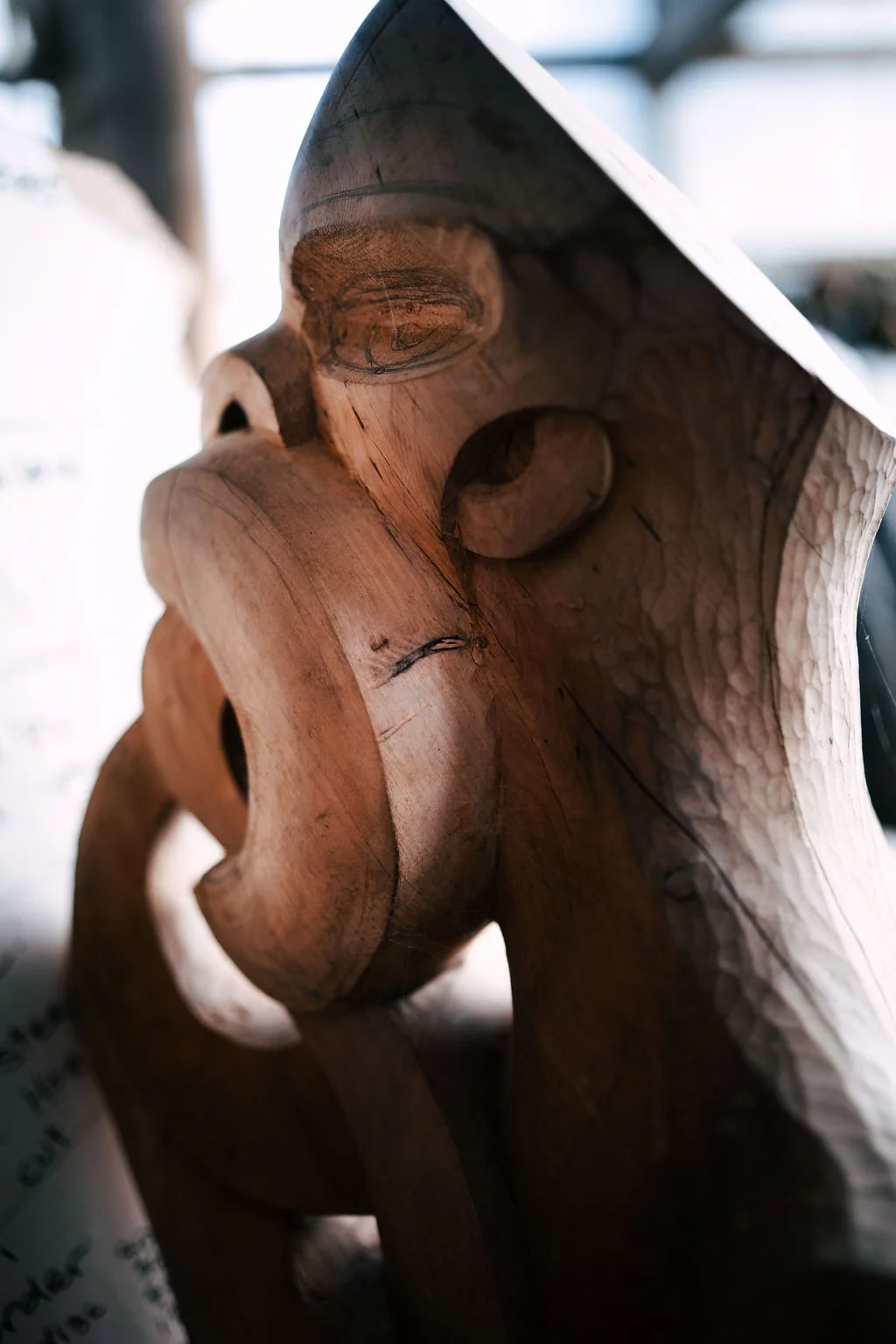
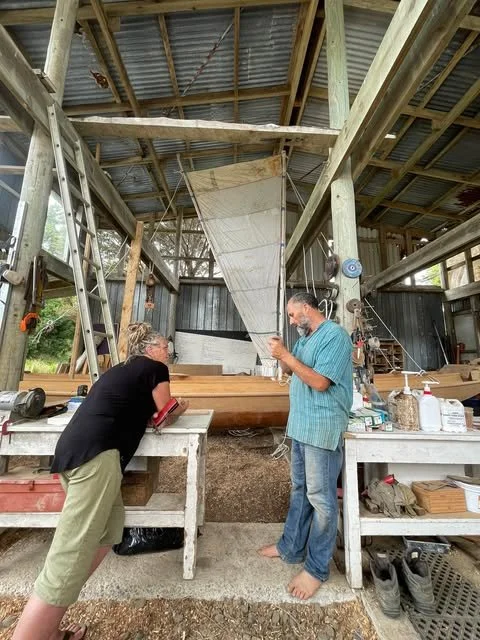
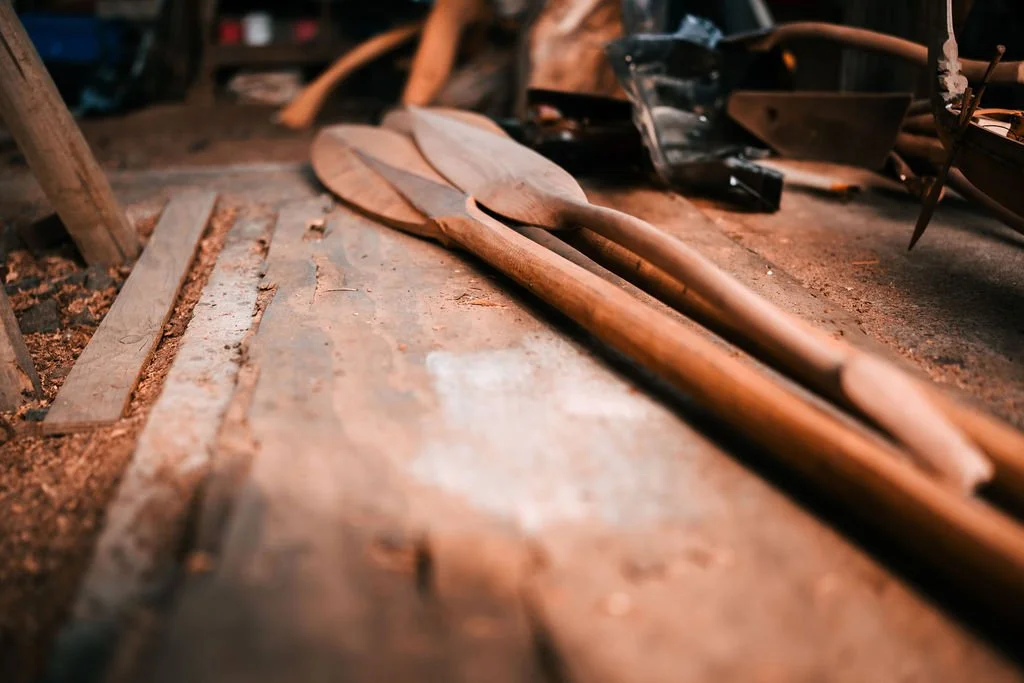
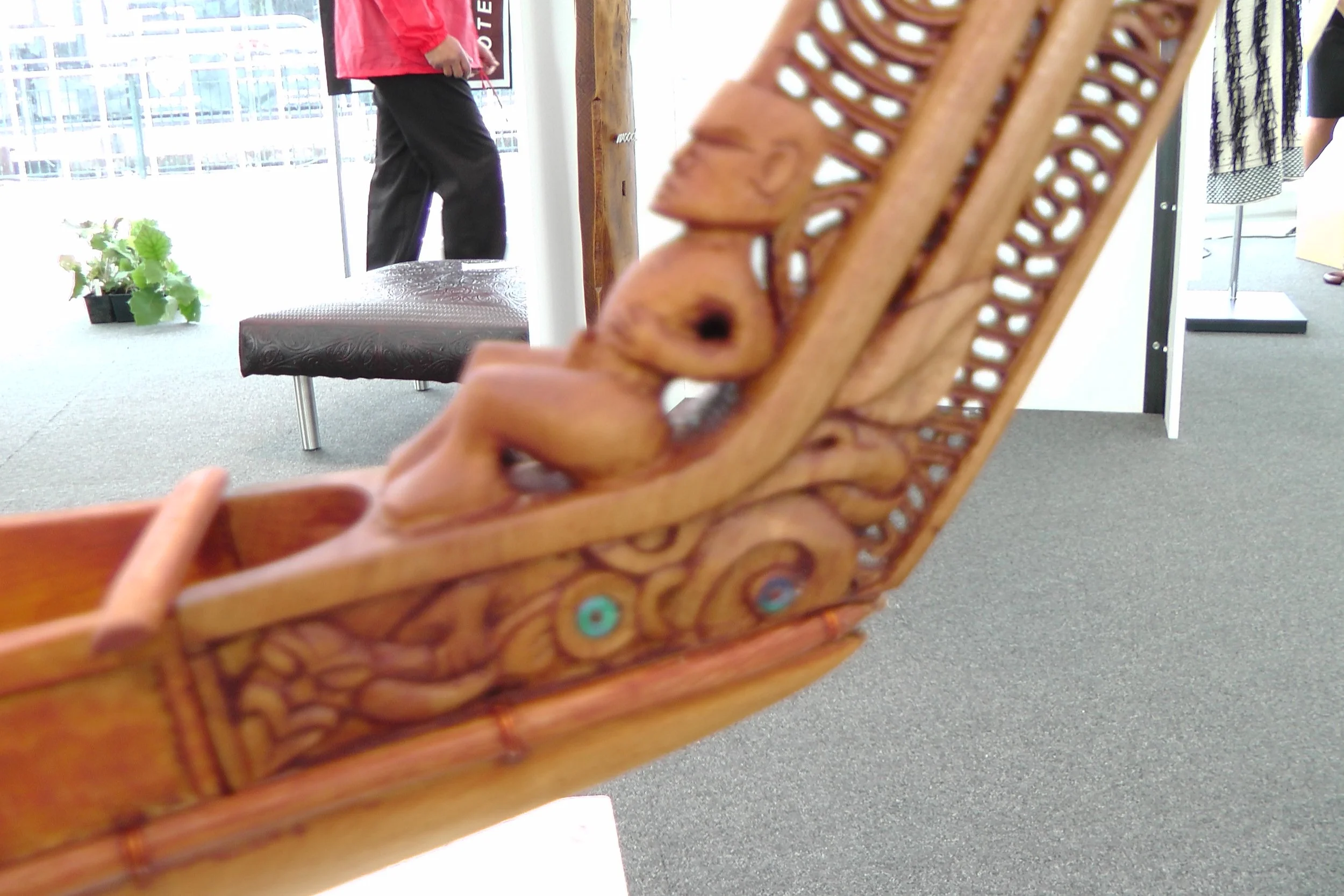
•Will Ngakuru Workshop Waimamaku- Final design refinements, carvings, fit out and rigging and sea trials
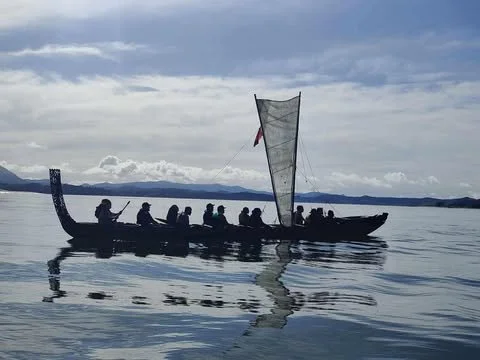
.Woven sail (Hine Marama) created by Te Ra Ringa Raupa https://teraringaraupa.com/